

Gum Treatment
Overview
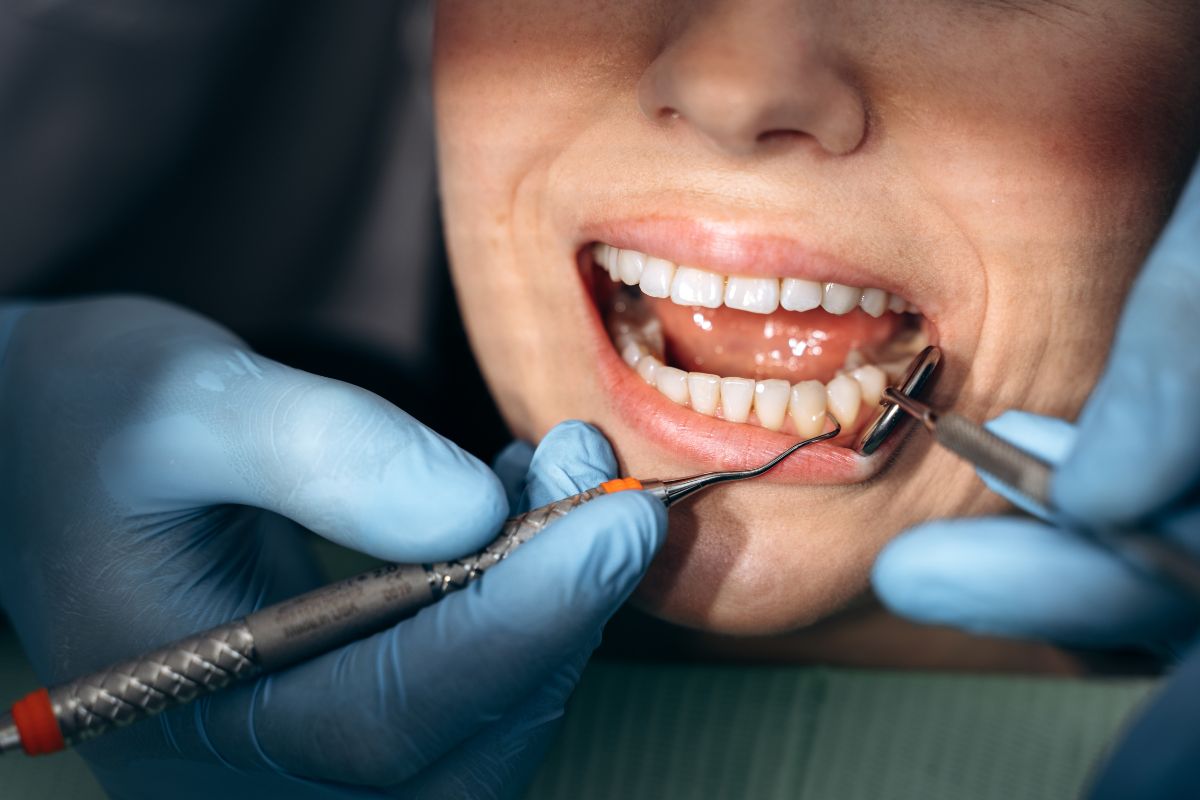
It is caused mainly by the buildup of plaque and tartar on teeth, leading to gum inflammation and potential tooth loss.
Good oral hygiene and regular dental check-ups are essential for preventing gum disease

Gum Treatment Cost
Treatment
Cost (inclusive of 9% GST)
Scaling and polishing
$87.20 – $163.50
Scaling and root planing (per tooth)
$32.70 – $54.50
Scaling and root planing (per quadrant)
$163.50 – $327
What’s Included

Comprehensive Gum Assessment
Evaluation of gum health using periodontal measurements to assess gum pockets, inflammation, and bone support to diagnose gum disease and assess its severity.
Professional Deep Cleaning (Scaling and Root Planing)
Removal of plaque and tartar above and below the gum line, with smoothing of root surfaces to help gums heal and reattach.
Infection control & gum care management
Targeted treatment to reduce bacterial infection, which may include antibacterial agents or medicated rinses when indicated.
Personalised oral hygiene advice & follow-up care
Tailored guidance on brushing, flossing, and interdental cleaning, with review appointments to monitor healing and prevent recurrence.
Treatment Procedure
- Full gum examination using periodontal measurements
- Assessment of bleeding, gum recession, and bone support
- X-rays taken if needed to evaluate bone level and bone loss
- Professional scaling and polishing or deep cleaning
- Root planing performed for moderate to advanced gum disease
- Bacteria and tartar removed to reduce infection and inflammation
- Review of gum healing and treatment response
- Personalised oral hygiene and home-care instructions
- Ongoing maintenance visits to prevent recurrence
Type of CHAS Card
Scaling and Polishing
X-rays
Pioneer Generation (PG)
$70.50
$21
Merdeka Generation (MG)
$60.50
$16
Blue CHAS Card
$50.50
$11
Orange CHAS Card
$33.50
$7.50
Green CHAS Card
Not available
Not available
CHAS subsidy is limited to scaling and polishing, and is not applicable for root planing.
Treatment Subsidies
Our clinic offers options to make your treatments more accessible, so you can focus on your oral health without worrying about the cost.


Why Get Your Gums Treated?

The Hidden Threat: Plaque and Tartar
Even with regular brushing, some dental plaque remains behind and eventually hardens into calculus (tartar).

Early Warning Signs: Gingivitis
The first stage of gum disease, known as gingivitis, is marked by red, swollen gums that may bleed easily during brushing or flossing.

When It Progresses: Periodontitis
If left untreated, gingivitis can develop into periodontitis, a more serious infection. In this stage, the gums begin to pull away.

Prevention Through Professional Care
Regular dental scaling and polishing is key to preventing tartar buildup and protecting your gums.
What is Gum Disease?
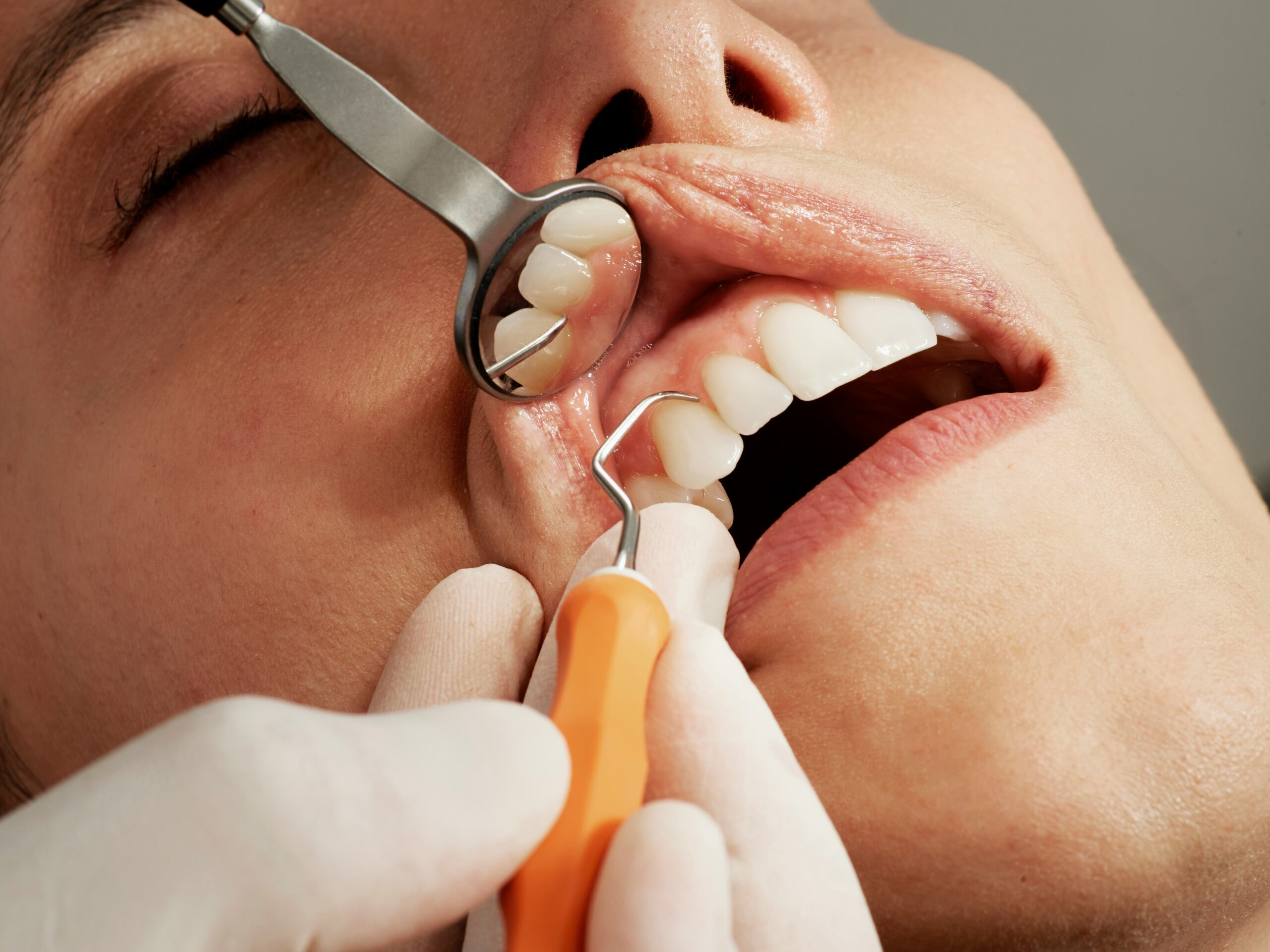
- Gum disease (periodontal disease) is a bacterial infection that affects the gums and the bone supporting the teeth.
- It is a common condition but is largely preventable with good oral hygiene and regular dental care.
- Common symptoms include bleeding gums, persistent bad breath, and gum recession.
- If left untreated, gum disease can progress to bone loss, loose teeth, and eventual tooth loss.
- Professional dental cleaning and gum treatment play an important role in preventing and managing the condition.
Types of Gum Disease
1. Gingivitis (early stage)
- Gums become red, swollen, and bleed easily, especially during brushing
- Usually reversible with good oral hygiene and professional cleaning
2. Periodontitis (advanced stage)
- Infection spreads deeper, causing gum recession and bone loss
- Teeth may become loose, painful, or eventually lost
- Damage is not reversible, but can be controlled with treatment
Common Signs of Gum Disease
- Bleeding gums
- Swollen or tender gums
- Bad breath that doesn’t go away
- Gum recession (teeth look longer)
- Loose teeth or discomfort when chewing
Why Gum Disease Is Serious
- Leading cause of tooth loss in adults
- Linked to systemic health conditions such as heart disease and diabetes
- Often painless in early stages, so regular dental check-ups are important
Causes and Risk Factors
- The main cause of gum disease is the build-up of plaque and tartar, which contains harmful bacteria.
- Common risk factors include:
- Poor oral hygiene
- Smoking or tobacco use
- Diabetes and certain medical conditions
- Misaligned teeth or poor brushing technique
- Diet high in sugar and acidic foods
- Genetics, hormonal changes, and certain medications
- Identifying these risk factors is essential for effective prevention and treatment.
Symptoms and Diagnosis
- Common signs of gum disease:
- Bleeding or swollen gums
- Persistent bad breath
- Receding gums
- Tooth sensitivity or loose teeth
- Changes in bite
- Gum disease is diagnosed through a dental examination and professional cleaning.
- Dentists may use periodontal probing to measure gum pocket depth and X-rays to assess bone loss.
- Early diagnosis is key to preventing disease progression.
Gum Treatment Options
- Treatment depends on the severity of the condition and may include:
- Scaling and polishing (early-stage gum disease)
- Root planing / deep cleaning to remove bacteria below the gum line
- Gum surgery in advanced cases
- Good oral hygiene and regular dental visits are essential after treatment to maintain healthy gums.
Preventing Gum Disease
- Brush and floss regularly
- Attend routine dental check-ups and professional cleanings
- Avoid smoking
- Maintain a balanced diet and healthy lifestyle
- Understanding the causes and risk factors helps prevent gum disease before it becomes serious.
Maintaining Healthy Gums
- Good oral hygiene, including regular brushing and flossing, can help maintain healthy gums.
- Regular dental check-ups and professional cleanings can also help maintain healthy gums.
- A healthy diet and lifestyle can also contribute to healthy gums.
- Understanding the treatment options for gum disease is essential for informed decision-making.
- Your dentist can provide personalised guidance to help keep your gums healthy and stable.
Why Choose Ocean Dental?

Experienced Dental Treatment Team
Our team of qualified dentists brings extensive experience across multiple areas of dental care.

Ultrasonic Scalers and Polishing Tools
The first stage of gum disease, known as gingivitis, is marked by red, swollen gums that may bleed easily during brushing or flossing.

Personalized Care for Teeth
Every patient’s smile is unique. We tailor each procedure to your specific needs — taking into account tooth sensitivity.

Calming Clinic Environment
Our clinic is thoughtfully designed to help you feel at ease — with soothing interiors and a welcoming atmosphere.
Experienced clinicians with a health-first approach
Our dentists focus on treating gum disease as a medical condition, not just a cleaning issue, to protect both your oral and overall health.
Accurate diagnosis with personalised care plans
We carry out thorough gum assessments (including pocket measurements and X-rays when needed) and tailor treatment to the severity of your gum condition.
Gentle, effective periodontal treatment
Our dentists provide scaling and root planing using careful techniques to control infection while prioritising comfort and safety.
Preventive focus with long-term maintenance
Beyond treatment, we emphasise prevention and stability, with customised oral hygiene advice and structured maintenance reviews to reduce recurrence.

Schedule Appointment
- Complete the form with your basic details
- Select the dental service you need
- Pick a convenient date and time
- Choose how you’d like us to reach you
- Relax – we’ll get in touch within 24 hours to confirm your appointment!
Clinic Hours
Book an Appointment
Get personalized care from our expert team
FAQs
Got questions? Relax, we’ve got your back
What is gum disease?
Gum disease, also known as periodontal disease, is a bacterial infection that affects the gums and bone supporting the teeth.
What are the signs of gum disease?
Common signs include bleeding gums, bad breath, gum recession, tooth sensitivity, and loose teeth in advanced stages.
Is gum disease treatment painful?
Gum treatment is generally well tolerated and performed with local anaesthesia when needed to ensure comfort.
What treatments are used for gum disease?
Treatment options include scaling and polishing, deep cleaning (root planing), and gum surgery for advanced cases.
How long does gum treatment take?
Treatment duration depends on disease severity and may require one or multiple visits.
How much does gum treatment cost in Singapore?
Costs vary based on severity and treatment type, typically ranging from a few hundred to several thousand dollars.
Can gum disease be cured?
Early-stage gum disease can be reversed, while advanced gum disease can be controlled and managed with proper treatment and maintenance.
How can I prevent gum disease from returning?
Good oral hygiene, regular dental check-ups, professional cleanings, and a healthy lifestyle are key to preventing recurrence.