

Dental Crown
Restore, protect, and strengthen your teeth with natural-looking dental crowns.
Overview
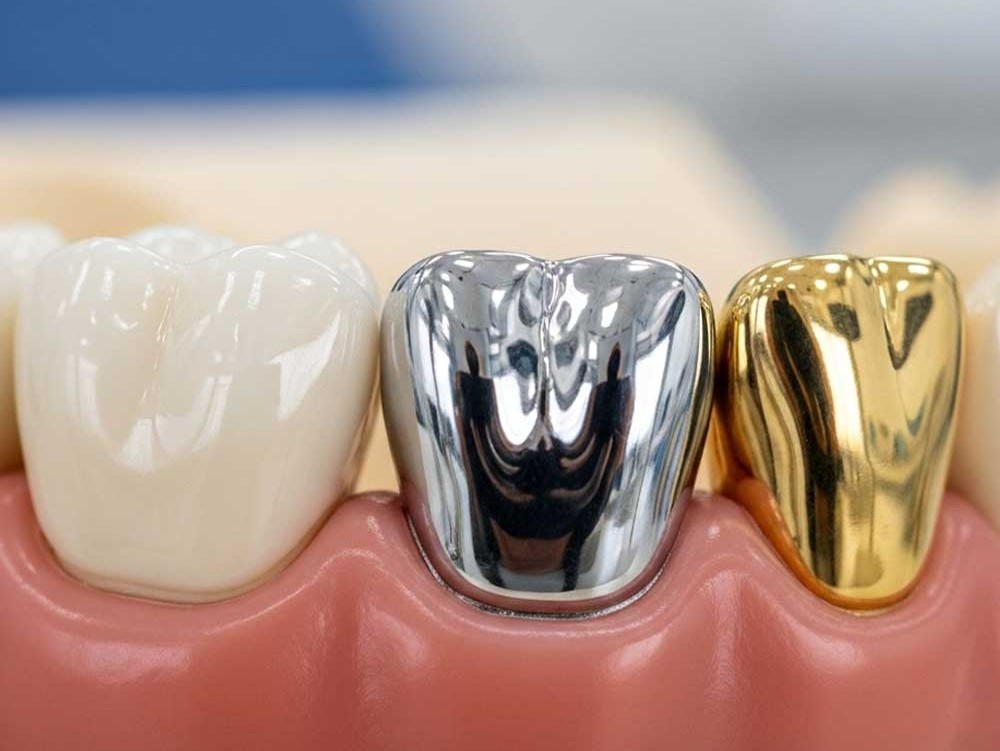
A dental crown is a tooth-shaped cap used to restore a damaged tooth. The crown covers the entire visible portion of the tooth, fully encasing and protecting it from further harm.
Crowns act as protective restorations, shielding the tooth from additional damage while restoring its function and appearance.

Dental Crown Cost
Treatment
Cost (inclusive of 9% GST)
Dental crown (per tooth)
$1,035.50 – $1,308
What’s Included

Custom tooth-shaping
Tooth is reshaped to prepare for crown placement, ensuring proper fit and function.
Allows restoration of size, shape, and alignment for a natural result.
Lab-fabricated crown
Crown is custom-made in a trusted dental lab, matching your tooth’s shade and shape. Ensures durability and aesthetic blending with existing teeth.
Temporary crown placement
A temporary crown is provided while your permanent crown is being made. Maintains tooth protection and function in the interim.
Final fitting & adjustments
Final crown is fitted, bite and comfort checked, and adjusted if needed for proper function.
Ensures natural feel and long-term stability.
Treatment Procedure
Initial exam & X-rays
- Dentist performs a clinical examination and may take digital x-rays to assess the tooth, roots, and surrounding bone.
Assessment of need
- Evaluate if crown is needed e.g. after root canal, for cracked or decayed tooth, or large filling that weakens tooth.
Discussion of crown types
- Dentist discusses crown material options (porcelain/ceramic, zirconia, metal/gold alloy, porcelain-fused-to-metal, resin) based on tooth location, strength, appearance-needs.
Treatment plan explanation
- Explain procedure steps, timeline (impression, temporary crown, final fitting), costs, and options no pressure decision.
Consent and scheduling
- Once agreed, consent is obtained and the first appointment for tooth preparation is scheduled.
Tooth reshaping
- Under local anaesthesia, tooth is gently reshaped to remove decayed or damaged part and create space for the crown.
Impression taking
- Digital scans or physical impressions of the prepared tooth, neighbouring teeth, and opposing bite are taken to ensure accurate crown fabrication.
Temporary crown placement
- A temporary crown is placed to protect the tooth while the dental laboratory fabricates the permanent crow
Patient instructions
- Provide aftercare advice for temporary crown (avoid very hard or sticky foods, maintain hygiene).
Try-in and adjustment
- When the final crown is ready (usually within 1–2 weeks), the dentist checks the fit, bite alignment, appearance, and comfort.
Cementation
- Once everything is satisfactory, the crown is permanently cemented onto the tooth.
Final polishing and clean-up
- Excess cement is removed, and the crown and surrounding teeth are polished to ensure smooth margins and comfort.
Aftercare instructions
- Advice on oral hygiene: brush & floss regularly, avoid hard items (ice, nuts, pens, hard candy)
Follow-up & maintenance
- Regular dental check-ups are recommended to monitor the crown, surrounding teeth, bite, and gum health, and to check for wear or loosening.
Type of CHAS Card
Subsidy Amount
Pioneer Generation (PG)
$625
Merdeka Generation (MG)
$620
Blue CHAS Card
$615
Orange CHAS Card
$410
Green CHAS Card
Not available
Treatment Subsidies
Up to 4 permanent crowns per calendar year may be claimable, subject to prevailing CHAS guidelines.
Only claimable for permanent crown is done on permanent natural teeth.
Not applicable for implant-supported crowns, mini-implant supported crowns, inlays, resin retained bridges (acid etched bridges) and pontics for bridges.


Why get a dental crown?

Restore tooth strength and function
A crown covers and protects a weakened, cracked or decayed tooth — restoring full chewing strength and preventing further damage.

Protect root-canal treated teeth

Improve appearance & shape

Support bridges or implants
What Are Dental Crowns?
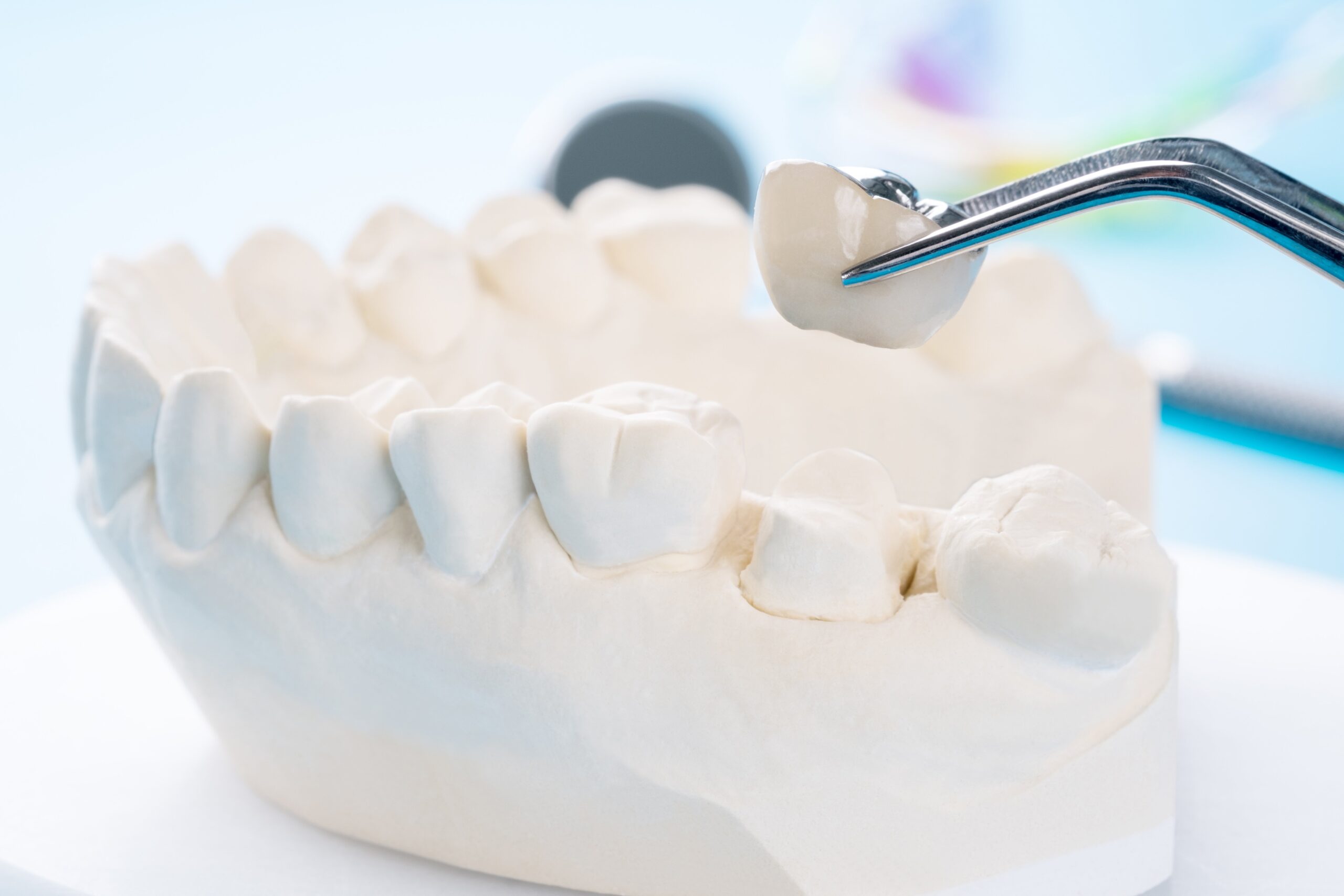
A dental crown is a custom-made, tooth-shaped cap placed over a damaged, decayed, or weakened tooth. It fully covers the visible portion of the tooth above the gum line, restoring its shape, size, strength, function, and appearance.
During the crown procedure, the tooth is carefully reshaped to create space for the crown. This involves removing a small amount of natural enamel to ensure a precise fit and secure bonding. Once placed, the crown protects and strengthens the remaining tooth structure.
At Ocean Dental Singapore, dental crowns are made using materials selected to suit your functional and aesthetic needs. Each crown is customised to match your natural teeth, ensuring a seamless and natural-looking result.
Dental Cap: What’s the Difference?
A dental cap is simply another term for a dental crown. Both refer to the same restoration—a tooth-shaped covering that fully encases the tooth.
Unlike fillings or onlays that restore only part of a tooth, a dental crown covers the entire prepared tooth. This provides:
- Strong protection against further damage
- Reinforcement for weakened teeth
- A natural appearance that blends with surrounding teeth
Dental crowns are especially beneficial for teeth weakened by large fillings, decay, cracks, or root canal treatment.
The procedure typically involves tooth preparation, placement of a temporary crown, and final fitting once the permanent crown is fabricated by a dental laboratory.
When Do You Need a Dental Crown?
A dental crown may be recommended in situations such as:
- After root canal treatment
- Cracked, worn, or severely decayed teeth
- Teeth with large fillings that weaken the remaining structure
- Misshapen or severely discoloured teeth
- To support a dental bridge or complete a dental implant
If you’re unsure whether a crown or filling is more suitable, our dentists will guide you during your consultation.
How Long Do Crowns Last?
Dental crowns typically last 10–15 years or longer with proper care.
Their lifespan depends on:
- Oral hygiene habits
- Diet and chewing habits
- Grinding or clenching of teeth
To help your crown last longer:
- Brush and floss daily
- Avoid biting hard objects (ice, nuts, pens, hard candy)
- Attend regular dental check-ups
Good oral hygiene and routine dental visits are essential to maintaining the health of both your crown and the underlying tooth.
Dental Crown Maintenance and Care
Dental crowns require the same care as natural teeth:
- Brush twice daily and floss around the crown
- Maintain healthy gums to prevent decay underneath the crown
- Avoid chewing hard or sticky items that may damage or loosen the crown
Regular dental visits allow your dentist to:
- Check crown stability and margins
- Monitor gum health
- Detect early signs of loosening or wear
If you grind your teeth at night, a custom night guard may be recommended to protect your crown from excessive wear.
Dental Crown Repair and Replacement
Although crowns are durable, they may occasionally become chipped, cracked, or loose.
If you notice any changes, discomfort, or movement, contact your dentist promptly.
Depending on the condition of the crown:
- Minor damage may be repaired
- Severely damaged crowns may require replacement
Your dentist will recommend the most suitable material—such as ceramic or porcelain-fused-to-metal—based on your needs.
Dental Crown Risks
Dental crowns are a safe and common treatment, but potential risks include:
- Temporary sensitivity to hot or cold
- Crown loosening or dislodgement
- Dark lines at the gum margin (in porcelain-fused-to-metal crowns)
- Decay beneath the crown if oral hygiene is poor
Rarely, allergic reactions to certain materials may occur.
Your dentist will discuss materials beforehand to ensure suitability.
Crowns vs. Other Options
Choosing between a crown and other treatments?
Here’s a quick comparison:
- Crown vs Filling
Fillings repair small areas; crowns are better for extensive damage. - Crown vs Onlay
Onlays cover part of the tooth; crowns provide full coverage and protection. - Crown vs Veneer
Veneers improve appearance only; crowns restore both strength and aesthetics. - Crown vs Implant
Crowns restore existing teeth; implants replace missing teeth.
Root Canal and Dental Crowns
After a root canal, teeth often become more brittle. A dental crown is commonly recommended to restore strength and protect the treated tooth, especially for back teeth with heavier chewing force.
The crown allows normal chewing function while preventing fractures. Your dentist will advise on the most appropriate crown type based on tooth position and usage.
With proper care, a crown placed after root canal treatment can last many years and function like a natural tooth.
Why Choose Ocean Dental?

Precision Planning & Diagnosis
We use thorough examinations and digital X-rays to assess your tooth. Crowns are recommended only when necessary and planned for long-term success.

Custom-Made, Natural-Looking Crowns
Each crown is custom-designed to match the colour, shape, and size of your natural teeth for a comfortable, natural-looking result.

Quality Materials & Trusted Dental Labs
We work with trusted dental labs and use high-quality materials, including ceramic and zirconia, chosen for strength, durability, and appearance.

Comfort-Focused, Clear Communication
We explain each step clearly and prioritise your comfort from preparation to final fitting, with careful checks before placement.
Types of Dental Crowns We Offer
We offer several types of crowns to suit different needs and budgets.
Some crowns are suitable for both front and back teeth, offering versatility and durability depending on the type of material used:
Type
Best For
Pros
Considerations
Porcelain/ Ceramic
Front teeth
Porcelain crowns offer a very natural appearance and are ideal for front teeth. All porcelain crowns are metal-free and provide excellent aesthetics, closely resembling natural tooth enamel.
Less durable for back teeth
Zirconia
Front & back teeth
Aesthetic and highly durable for front and back teeth
Slightly higher cost
Metal / Gold Alloy
Back molars
Metal crowns, including gold crowns and those made from other metal alloys, are extremely strong and long-lasting. They are ideal for out of sight molars due to their metallic appearance. Metal crowns can withstand chewing forces and biting and chewing forces, making them suitable for back teeth. Gold crowns are a traditional option known for their durability, but their cost can be higher due to gold prices.
Not tooth-coloured
Porcelain-Fused-to-Metal
Most uses
These crowns combine the strength of metal with the aesthetics of a porcelain coating, providing a good balance of strength and looks. The porcelain coating gives a natural look, but it can be susceptible to chipping over time.
Metal may show at gum line
At Ocean Dental Singapore, we use only trusted labs and materials approved by Singapore’s health standards.
The type of crown selected depends on the location and function of the tooth.
The type of material or crown is chosen based on your individual needs, such as strength, aesthetics, and durability.
For example, zirconia crowns are popular because they are strong, aesthetic, and suitable for both front and back teeth.
They are also highly resistant to wear and provide a natural look.

Schedule Appointment
- Complete the form with your basic details
- Select the dental service you need
- Pick a convenient date and time
- Choose how you’d like us to reach you
- Relax – we’ll get in touch within 24 hours to confirm your appointment!
Clinic Hours
Book an Appointment
Get personalized care from our expert team

FAQs
Got questions? Relax, we’ve got your back
How long does the process take?
Dental crowns usually require 2 visits, spaced 1–2 weeks apart.
- First visit: Tooth preparation, which involves trimming the tooth and taking digital or physical impressions.
- Second visit: Once the crown is fabricated by the dental laboratory, the custom crown is permanently cemented onto your tooth.
When do I require a dental crown?
A dental crown is usually required after root canal treatment or for badly broken down or fractured tooth.
In these cases, a regular filling may not be strong enough to withstand chewing forces. A crown helps restore strength and protects the tooth from further damage.
Can I pay for crown / bridge using Medisave?
Currently, MediSave can only be used for surgical procedures, so dental crowns and bridges are not claimable at this time.
However, from mid-2026, the government plans to extend Flexi-MediSave usage to include root canal treatment and permanent crowns at CHAS dental clinics and public healthcare institutions.
How do I take care of a crown / bridge?
Dental crowns and bridges do not require special care beyond good oral hygiene.
To ensure long-lasting results:
- Brush and floss daily
- Maintain healthy gums
- Attend regular dental check-ups
Good oral hygiene helps prevent decay or gum disease around the crowned tooth.
How much does a dental crown cost?
The price for dental crown is from $950 – $1,200, depending on the tooth and material of the crown.
Note: Government Goods and Services Tax (GST) applies.
What material should I choose for my crown?
Each crown material has its own advantages. The choice depends on:
- Which tooth is being crowned
- Any metal allergies
- Aesthetic requirements
- Budget considerations
Our dentist at Ocean Dental would be more than happy to share the recommended material for your case.
Will the crown look natural?
Yes. The crown is customised to match the shade, shape, and size of your natural teeth, allowing it to blend seamlessly with your smile.
Is it painful?
The procedure is performed under local anaesthesia and is generally comfortable.
Following aftercare instructions helps ensure a smooth recovery.
Can I eat normally after getting a crown?
- Temporary crown: Avoid hard or sticky foods
- Final crown: You can eat normally
To protect your crown, it’s best to avoid very hard or sticky items.
What are the common problems with dental crowns?
Some patients may experience:
- Mild discomfort or sensitivity
- The crown feeling loose
If you notice any of these issues, contact your dentist promptly so they can be assessed and managed early.