

Tooth Extraction
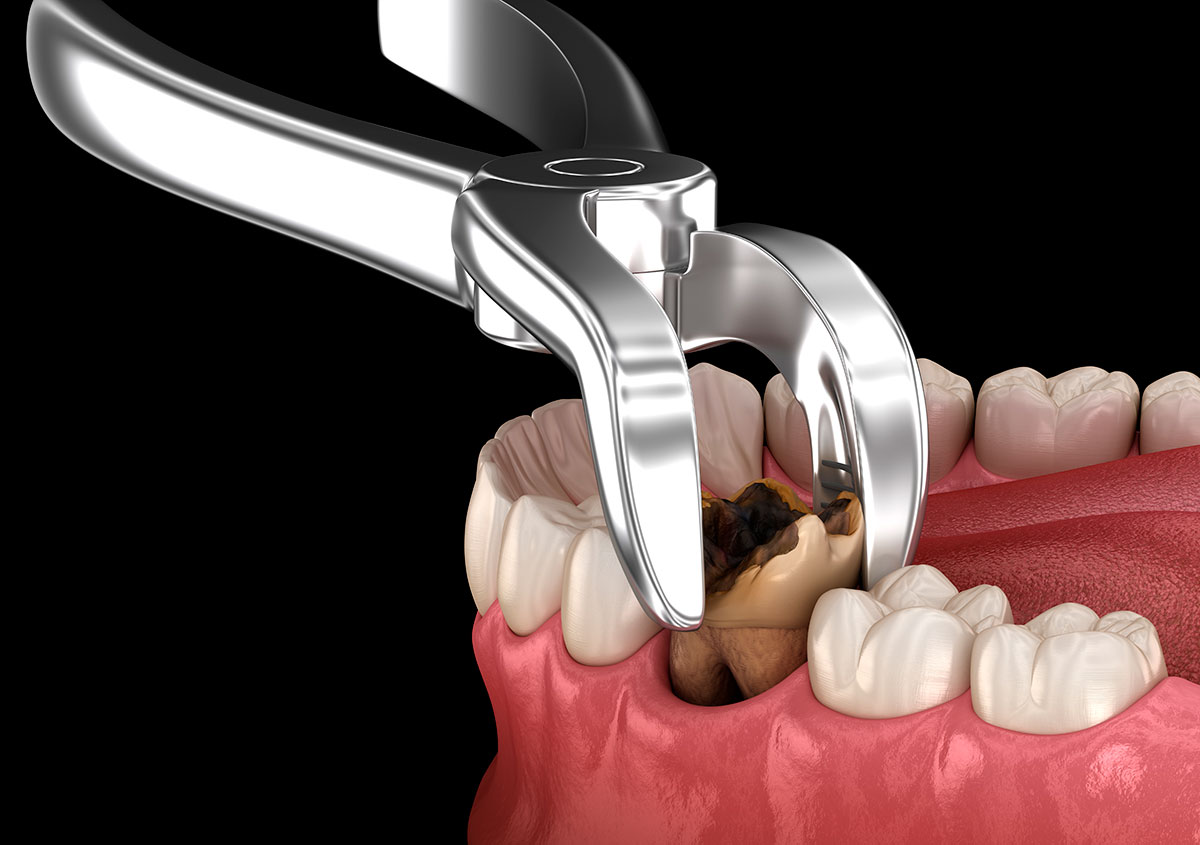
Tooth extraction is a common dental procedure to remove a tooth from its tooth socket – it is often necessary due to severe tooth decay, gum disease, or impacted wisdom teeth.
Overview
The tooth extraction procedure can be simple or surgical, depending on the complexity of the case and the condition of the tooth.

Tooth Extraction Cost
Treatment
Cost (inclusive of 9% GST)
First time examination and consultation
$21.80 - $54.50
X-rays: OPG
$81.75
X-rays: PA
$27.25
Extraction
$81.75 - $218
What’s Included

Dental assessment & X-ray evaluation
The dentist examines the tooth and surrounding bone and may take X-rays to assess the tooth position, root shape, and difficulty of extraction.
Local Anaesthesia & Comfort Measures
Numbing cream and local anaesthesia to ensure the procedure is as comfortable and pain-free as possible.
Simple or Surgical Tooth Extraction
The tooth is carefully removed using appropriate techniques. This may be a simple or surgical extraction, depending on the tooth’s condition.
Post-Extraction Care & Guidance
Clear aftercare instructions to support healing, reduce discomfort, and minimise the risk of complications.
Treatment Procedure
- Comprehensive dental examination and X-rays
- Assessment of the tooth condition, including decay, infection, or impaction
- Discussion of the type of extraction, possible risks, and recovery expectations
- Application of numbing gel, followed by local anaesthesia for comfort
- Simple extraction for visible teeth or surgical extraction for impacted or severely damaged teeth
- Tooth removed carefully with minimal trauma to surrounding tissues
- Gauze placement to control bleeding
- Clear post-extraction care instructions provided
- Follow-up appointment arranged if necessary to monitor healing
Type of CHAS Card
Consultation fee
X-rays
Extraction (Front teeth)
Extraction (Premolar and Molar)
Pioneer Generation (PG)
$30.50
$21
$38.50
$78.50
Merdeka Generation (MG)
$25.50
$16
$33.50
$73.50
Blue CHAS Card
$20.50
$11
$28.50
$68.50
Orange CHAS Card
$13.50
$7.50
$19
$45.50
Green CHAS Card
Not available
Not available
Not available
Not available
Treatment Subsidies
CHAS subsidy for extraction is limited to 4 extractions per calendar year and only claimable for extraction on natural teeth.


Why Get Your Tooth Extracted?

The Hidden Threat: Plaque and Tartar
Even with regular brushing, some dental plaque remains behind and eventually hardens into calculus (tartar).

Early Warning Signs: Gingivitis
The first stage of gum disease, known as gingivitis, is marked by red, swollen gums that may bleed easily during brushing or flossing.

When It Progresses: Periodontitis
If left untreated, gingivitis can develop into periodontitis, a more serious infection. In this stage, the gums begin to pull away.

Prevention Through Professional Care
Regular dental scaling and polishing is key to preventing tartar buildup and protecting your gums.

Determining the Need for Tooth Extraction
- Severe tooth decay or infected teeth may necessitate extraction to prevent the spread of infection and alleviate dental pain.
- Wisdom teeth, especially if impacted, often require extraction to prevent complications such as pain, swelling, and infection.
- Orthodontic treatment may also involve the extraction of multiple teeth to aid in proper alignment.
- Gum disease, if severe, can lead to the need for tooth extraction due to the loss of supporting bone and gum tissue.
Post-Extraction Care
- After tooth extraction, it’s essential to follow the dentist’s instructions to ensure proper healing and prevent complications such as dry socket.
- For the first few days, consume soft foods and avoid hot liquids, alcohol, and smoking, as these can disturb the blood clot and delay healing at the extraction site.
- Avoiding the use of straws and not spitting forcefully can also protect the blood clot formation and prevent dry socket.
- Good oral hygiene, including gentle brushing and rinsing with warm salt water, is crucial for maintaining the health of the surrounding teeth and gum tissue.
- Rest and avoiding strenuous activities for the first 24 hours can also aid in recovery.
Managing Pain and Discomfort
- Pain medication may be prescribed to manage severe pain after tooth extraction, especially in cases of surgical extractions.
- Applying an ice pack to the affected area can help reduce swelling and alleviate mild pain.
- It’s essential to follow the dentist’s advice on pain management to ensure a comfortable recovery.
- In some cases, prolonged or severe pain may indicate complications and necessitate a visit to the dentist immediately.
Oral Hygiene After Tooth Extraction
- Maintaining good oral hygiene is vital after tooth extraction to prevent infection and promote healing.
- Gentle brushing and rinsing with warm salt water can help keep the extraction site clean without dislodging the blood clot.
- Regular dental check-ups can help monitor the healing process and ensure overall oral health.
Costs
- The tooth extraction cost can vary depending on the complexity of the procedure, with surgical extractions typically costing more than simple extractions.
- Wisdom tooth extraction costs and other specialized procedures may also differ based on the dental clinic and the dentist’s expertise.
- Medisave claims for surgical tooth extractions may be applicable if all claim criteria are fulfilled.
Alternatives to Tooth Extraction
- In some cases, alternatives to tooth extraction may be available, such as root canal therapy for infected teeth or dental crowns for severely decayed teeth.
- However, if the tooth is beyond repair, extraction may be the only option to maintain oral health.
- Dental implants, bridges or dentures can be considered after tooth extraction to replace missing teeth and restore chewing function.
- Consulting with a dentist or oral surgeon can help determine the best course of treatment for your specific dental needs.
Preparation for Tooth Extraction
- Before the extraction, your dentist will review your medical history and previous dental treatments to identify any potential risks or complications.
- Discussing any concerns or anxieties you have about the procedure can help your dentist provide personalized care and sedation options if needed.
- Understanding the procedure, including what to expect during and after, can help you prepare and reduce anxiety.
- Your dentist may also provide instructions on how to prepare for the procedure, including any medication adjustments.
What to Expect During the Procedure
- During a simple extraction, you can expect to feel pressure but not pain due to the local anesthesia.
- For surgical extractions, the procedure may involve slightly more discomfort and may require stitches to aid healing.
- The procedure typically takes less than 30 minutes for a simple extraction, but more complex cases may take longer.
- Your dentist will explain the procedure step-by-step and answer any questions you may have to ensure you are comfortable and informed.
Aftercare and Recovery
- After tooth extraction, it’s normal to experience some mild bleeding, swelling, and discomfort, which can be managed with prescribed pain medication and ice packs.
- Following your dentist’s post-extraction care instructions is important to promote proper healing and reduce the risk of complications.
- During the recovery period, it is advisable to eat soft foods, avoid smoking and strenuous activities, and maintain good oral hygiene as directed.
- Please attend follow-up appointments if scheduled so that your dentist can ensure the extraction site is healing properly.
Potential Complications
- Dry socket is a possible complication after tooth extraction. It occurs when the blood clot at the extraction site is lost, leading to severe pain and exposure of the underlying bone.
- Other potential complications include infection, prolonged bleeding, and injury to surrounding teeth or gum tissue.
- Please contact the dental clinic immediately if you experience unusual symptoms such as severe or worsening pain, swelling, fever, or persistent bleeding.
- Following your dentist’s aftercare instructions carefully can significantly reduce the risk of these complications and support proper healing.
Why Choose Ocean Dental?

Experienced Dental Treatment Team
Our team of qualified dentists brings extensive experience across multiple areas of dental care.

Ultrasonic Scalers and Polishing Tools
Gingivitis, the first stage of gum disease, causes red, swollen gums that may bleed during brushing or flossing.

Personalized Care for Teeth
Every patient’s smile is unique. We tailor each procedure to your specific needs — taking into account tooth sensitivity.

Calming Clinic Environment
Our clinic is thoughtfully designed to help you feel at ease — with soothing interiors and a welcoming atmosphere.
Experienced dentists focused on safety and comfort
Our dentists are experienced in both simple and surgical extractions, using gentle techniques to prioritise patient comfort and safety.
Thorough assessment with clear explanations
We carry out a comprehensive examination with X-rays when required and explain the procedure, risks, and recovery expectations clearly
Proper pain control, aftercare & follow-up support
Numbing cream and local anaesthesia are used for a comfortable procedure, followed by clear aftercare instructions, healing review, and advice on Medisave eligibility for surgical extractions where applicable.
Visiting oral surgeon specialist for complex cases
For complex or high-risk extractions, we offer the option of treatment by a visiting oral surgeon specialist, ensuring specialised care when needed.


Schedule Appointment
- Complete the form with your basic details
- Select the dental service you need
- Pick a convenient date and time
- Choose how you’d like us to reach you
- Relax – we’ll get in touch within 24 hours to confirm your appointment!
Clinic Hours
Book an Appointment
Get personalized care from our expert team

FAQs
Got questions? Relax, we’ve got your back
What is tooth extraction?
Tooth extraction is a dental procedure where a tooth is removed from its socket due to decay, infection, gum disease, or impaction.
Is tooth extraction painful?
The procedure itself is not painful as local anaesthesia is used, though some discomfort or soreness during recovery is normal.
What is the difference between simple and surgical extraction?
A simple extraction removes a visible tooth, while a surgical extraction is needed for impacted or broken teeth and may involve minor incisions.
How long does tooth extraction take?
A simple extraction usually takes less than 30 minutes, while surgical extractions may take longer depending on complexity.
How long is the recovery after tooth extraction?
Most patients recover within a few days, though full healing can take one to two weeks depending on the case.
How much does tooth extraction cost?
The cost varies based on complexity, with simple extractions being more affordable than surgical or wisdom tooth extractions.
What should I avoid after tooth extraction?
Avoid smoking, using straws, vigorous rinsing, and hard foods for the first few days to prevent complications such as dry socket.
What are the alternatives to tooth extraction?
Alternatives may include root canal treatment or crowns, but extraction is necessary when the tooth cannot be saved.