

Tooth Filling
Tooth fillings repair cavities, restore tooth structure, and prevent further decay using durable, safe materials.
Overview
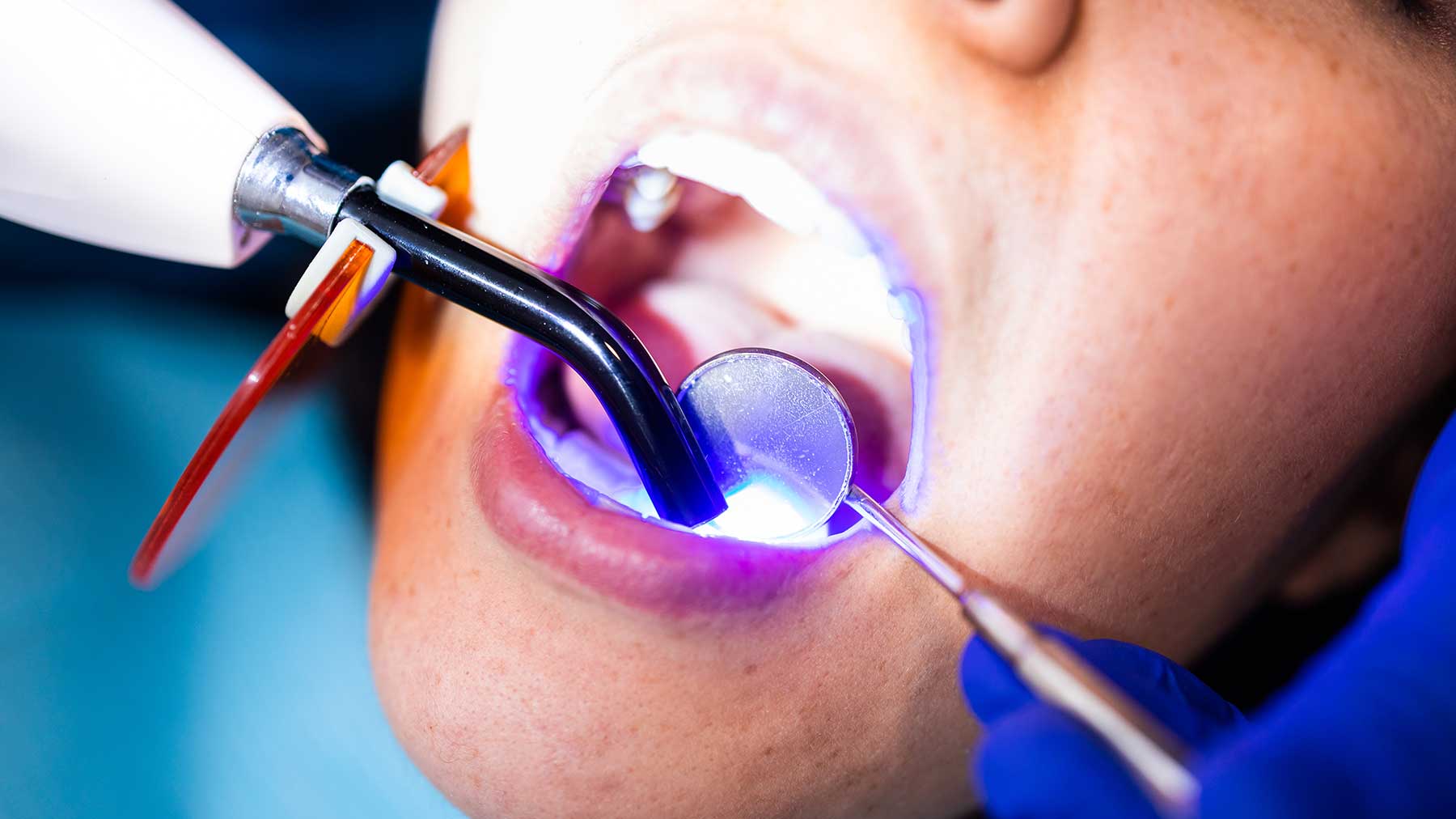
Tooth filling is a restorative dental treatment used to repair cavities and protect the tooth from further decay. The decayed portion of the tooth is carefully removed and replaced with a durable filling material to restore its natural shape and function.
Fillings help preserve natural teeth, relieve or prevent pain, and stop decay from spreading. Properly placed fillings improve chewing comfort and support long-term oral health.

Tooth Filling Cost
Treatment
Cost (inclusive of 9% GST)
Tooth filling for small cavity
$81.75 – $109
Tooth filling for medium cavity
$98.10 – $130.80
Tooth filling for large cavity
$130.80 – $163.50
What’s Included

Decay Removal
All decayed areas of the tooth are carefully removed using gentle and precise instruments. This ensures the tooth is clean, healthy, and ready for restoration.
Material Selection
Your dentist will recommend the most suitable filling material based on the tooth’s location, size of the cavity, and functional requirements.
Tooth Shaping
The filling is shaped and adjusted to match your natural bite, restoring comfort, proper chewing function, and tooth contour.
Polishing Finish
The restored tooth is polished to achieve a smooth, natural surface, helping to reduce plaque buildup and enhance long-term durability.
Treatment Procedure
Diagnostic Checks
- Visual examination of the cavity
- Gentle probing to detect softened or decayed areas
- Dental X-ray (if required) to assess decay extent and check areas not visible to the eye
Preparation
- Cleaning of the surrounding tooth and gum area
- Local anaesthesia administered for patient comfort (if required)
- Tooth isolated using cotton rolls or a rubber dam
Decay Removal
- Removal of decayed enamel and dentine
- Careful cleaning of the cavity floor
- Disinfection to eliminate bacteria
This ensures the tooth is fully cleaned and ready for restoration.
Material Preparation
- Composite resin shade matched to your natural tooth
- Bonding agent applied to ensure strong adhesion
- Light curing used to harden the material
Filling Build-Up
- Filling placed in small incremental layers for strength and durability
- Each layer cured to reduce shrinkage and improve longevity
- Cavity margins sealed to prevent leakage and future decay
Shaping and Contouring
- Bite checked and adjusted
- Tooth contours refined for a natural appearance
- Functional grooves recreated for comfortable chewing
This step restores the tooth’s shape, strength, and aesthetics.
Fine Polishing
- High-shine polishing discs used to smooth the surface
- Polishing helps reduce staining and plaque buildup
- Surface texture matched to natural enamel
Bite Adjustment
- Bite checked using articulating paper
- Any high spots corrected for comfort
- Final contour refinement performed
Post-Treatment Advice
- Avoid chewing hard foods on the treated tooth for a short period
- Maintain good oral hygiene with daily brushing and flossing
- Schedule follow-up visits to monitor the restoration
This ensures comfort, durability, and long-lasting results.
Treatment Subsidies
Our clinic offers options to make your treatments more accessible, so you can focus on your oral health without worrying about the cost.


Type of CHAS Card
X-rays
Filling (Simple)
Filling (Complex)
Pioneer Generation (PG)
$21
$40
$60
Merdeka Generation (MG)
$16
$35
$55
Blue CHAS Card
$11
$30
$50
Orange CHAS Card
$7.50
$20
$33.50
Green CHAS Card
Not available
Not available
Not available
Why Filling Your Teeth?

Stops Decay From Spreading
Untreated cavities grow deeper and damage the tooth nerve. A filling stops decay instantly and prevents future complications.

Restores Natural Tooth Strength
Filling materials reinforce weakened structures, allowing the tooth to regain function and withstand chewing forces.

Prevents Pain and Sensitivity
Cavities often cause discomfort. A filling seals exposed areas and protects sensitive inner layers of the tooth.

Improves Chewing and Appearance
Tooth-coloured fillings blend naturally and help restore proper bite balance, allowing easier and more comfortable chewing.
What is a tooth filling?
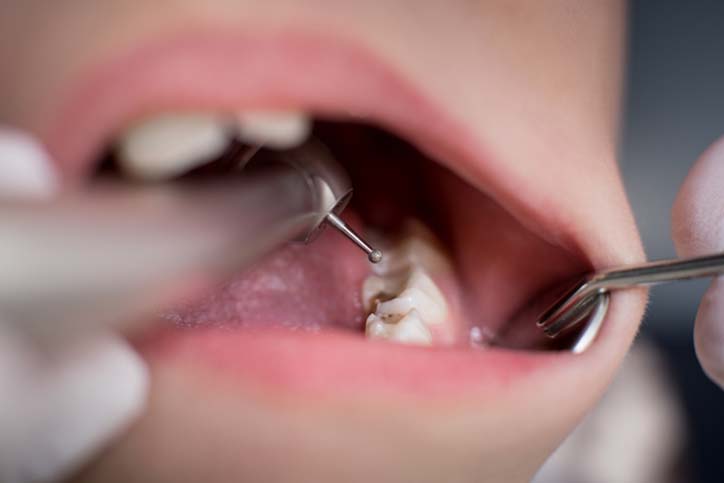
A tooth filling is a common restorative dental treatment used to repair teeth affected by decay, minor fractures, chips, or wear. During the procedure, the decayed or damaged portion of the tooth is removed and replaced with a suitable filling material to restore the tooth’s strength, function, and natural appearance.
Dental fillings help:
- Restore normal chewing function
- Prevent further decay
- Relieve sensitivity or discomfort
- Preserve as much natural tooth structure as possible
You may need a tooth filling if you experience:
- Visible holes or cavities
- Sensitivity to cold, hot, or sweet foods
- Mild pain when biting or chewing
- Food frequently getting trapped between teeth
Dental Filling Basics
Before starting treatment, a dental X-ray may be required to assess the depth and extent of decay, especially in areas not visible to the naked eye. This allows the dentist to plan the most appropriate treatment.
At Ocean Dental, each treatment room is equipped with its own X-ray unit, allowing images to be taken conveniently without moving between rooms—making your visit more efficient and comfortable.
A successful tooth filling:
- Completely seals the cavity
- Restores the tooth’s natural shape and bite
- Feels smooth and comfortable
Careful bite adjustment is essential. A filling that is too high can cause uneven chewing pressure, leading to pain or sensitivity. Your dentist will ensure the bite is properly adjusted and all edges are smoothed so the filling feels natural.
Tooth Filling Options
Several dental filling materials are available. The most suitable option depends on factors such as tooth location, cavity size, chewing load, aesthetic needs, and personal preference.
1. Composite Fillings (Tooth-Coloured Fillings)
- Made from tooth-coloured composite resin
- Blends seamlessly with natural teeth
- Ideal for front teeth or visible areas
- Suitable for small to medium cavities
- Can usually be completed in a single visit
- May be slightly less durable in heavy-chewing areas
Temporary sensitivity to hot or cold may occur but usually resolves on its own.
2. Glass Ionomer Fillings
- Releases fluoride over time to help prevent further decay
- Chemically bonds to the tooth
- Commonly used near the gumline or in baby teeth
- Best suited for low-load areas
- Often used as a temporary or intermediate solution
3. Amalgam Fillings (Silver Fillings)
- Made from a durable metal alloy (silver, tin, copper, mercury)
- Very strong and long-lasting
- Suitable for back teeth under heavy chewing forces
- More cost-effective
- Less aesthetic and silver in colour
Dental amalgam is considered safe by major health authorities, though some patients prefer alternative materials for cosmetic reasons.
4. Porcelain Fillings (Indirect Fillings)
- Made from ceramic material
- Highly durable and stain-resistant
- Colour-matched to natural teeth
- Fabricated in a dental laboratory
- Usually requires two visits
- Used when decay is extensive but a full crown is not yet needed
Here’s a quick comparison of the most common dental filling materials:
Type of Dental Filling | Material | Strength | Appearance |
Composite Fillings | Composite resin | Good | Matches natural tooth colour |
Amalgam Fillings | Metal alloy (silver amalgam) | Very strong | Silver-coloured |
Glass Ionomer Fillings | Glass and acrylic | Moderate | Tooth-coloured (less polished) |
Porcelain Fillings | Ceramic material | Very strong | Excellent tooth match |
How Long Do Tooth Fillings Last?
The lifespan of a dental filling depends on:
- Type of filling material
- Size and depth of the cavity
- Tooth location
- Chewing forces
- Oral hygiene habits
Large or deep cavities may require additional reinforcement, such as partial crowns or full dental crowns, to ensure long-term durability.
Signs of a Failed Filling
A failed filling can allow bacteria to enter the tooth, increasing the risk of decay, infection, or the need for root canal treatment.
Common warning signs include:
- Increased sensitivity to hot, cold, or sweet foods
- Persistent or sharp tooth pain
- Visible cracks, chips, or fractures in the filling
- Discolouration around the filling margins
- Bad taste or unpleasant odour
- Swollen, red, or tender gums near the filled tooth
If you notice any of these symptoms, it is important to schedule a dental review promptly to prevent further complications.
Why Choose Ocean Dental?

Experienced Dental Team
Our dentists have extensive experience in restorative care, ensuring safe and precise filling procedures for all ages.

Modern Dental Technology
We use advanced diagnostic tools and materials that enhance accuracy, durability, and overall treatment comfort.

Patient-First Approach
Every step is explained clearly and performed with gentle techniques to ensure a stress-free experience for all patients.

Affordable, Transparent Pricing
You receive clear, upfront cost information with no hidden charges, making quality dental care accessible.
Conservative, tooth-preserving approach
We remove only decayed or damaged tooth structure, preserving as much of your natural tooth as possible for long-term strength and health.
Aesthetic, well-matched restorations
Our dentists carefully shade-match tooth-coloured fillings and shape them to blend naturally with your teeth for a comfortable, discreet result.
Transparent pricing with no surprises
Treatment fees are clearly explained upfront based on the size and complexity of the cavity, so you know what to expect before treatment begins.
Comfort-focused, complete care
From gentle anaesthesia to thorough polishing and personalised aftercare advice, we prioritise your comfort and the durability of your restoration.


Schedule Appointment
- Complete the form with your basic details
- Select the dental service you need
- Pick a convenient date and time
- Choose how you’d like us to reach you
- Relax – we’ll get in touch within 24 hours to confirm your appointment!
Clinic Hours
Book an Appointment
Get personalized care from our expert team

FAQs
Got questions? Relax, we’ve got your back
What should I expect after tooth fillings?
It is common to experience mild and temporary sensitivity after a tooth filling procedure. This sensitivity is often triggered by very hot or cold foods and drinks.
In most cases, the sensitivity:
- Is mild
- Improves gradually
- Resolves within 2–3 weeks
However, if you experience:
- Severe or worsening pain
- Pain when chewing, biting, or speaking
- Sensitivity that does not improve over time
Please contact your dentist for a review. Early assessment ensures your bite and restoration are adjusted properly for comfort and long-term success.
What types of filling materials are available?
Each material has its own pros and cons. The decision to which material to use depends on many factors such as the location and the size of the cavity.
| Amalgam | Glass Ionomer | Composite | |
|---|---|---|---|
| Strength | +++ | + | ++ |
| Longevity | +++ | + | ++ |
| Invasiveness | +++ | + | + |
| Moisture sensitive | + | ++ | +++ |
| Aesthetic | + | ++ | +++ |
| Price | $ | $ | $$ |
Should I replace my old amalgam fillings with composite?
It depends on your individual case.
Dental amalgam fillings are made from a stable alloy of mercury, silver, tin, copper, and other metals. While concerns have been raised about mercury over the years, there is no conclusive scientific evidence that existing amalgam fillings need to be replaced solely for health reasons.
Major dental organisations, including the American Dental Association (ADA), support dental amalgam as a safe, reliable, and effective treatment for tooth decay.
Although very small amounts of mercury vapour may be released as amalgam fillings wear over time, extensive research shows that the level absorbed by the body is well below toxic levels and is often less than everyday environmental exposure or dietary sources.
However, replacement is recommended if:
- The filling is cracked, broken, or leaking
- There is decay underneath or around the filling
- The tooth structure has weakened
- You are upgrading the restoration as part of a larger treatment plan
Leaving defective fillings untreated may lead to further decay, infection, or dental abscess.
How long do dental fillings last?
Dental fillings are durable but not permanent. Their lifespan depends on the material used, tooth location, bite forces, and oral hygiene habits.
- Composite (tooth-coloured) fillings: Typically last 5–10 years, depending on size and chewing load
- Glass ionomer fillings: Less durable, often used for low-stress areas or as interim restorations
- Amalgam (metal) fillings: Can last up to 15–20 years under favourable conditions
Fillings placed in back teeth or in patients who grind or clench their teeth may wear faster.
Can I eat after going through a tooth filling procedure?
Yes, but some care is advised.
It is normal to experience mild soreness or sensitivity after a filling, especially if the decay was deep. This can last up to 1–2 weeks and usually settles on its own.
Aftercare tips:
- Eat slowly and bite gently
- Chew on the opposite side if possible
- Avoid sticky foods
- Avoid very hot, cold, or sweet foods initially
If sensitivity or pain persists beyond the expected period, contact your dentist for a review.