

Dental X-Ray
Accurate dental imaging to reveal hidden oral issues before symptoms show.
Overview
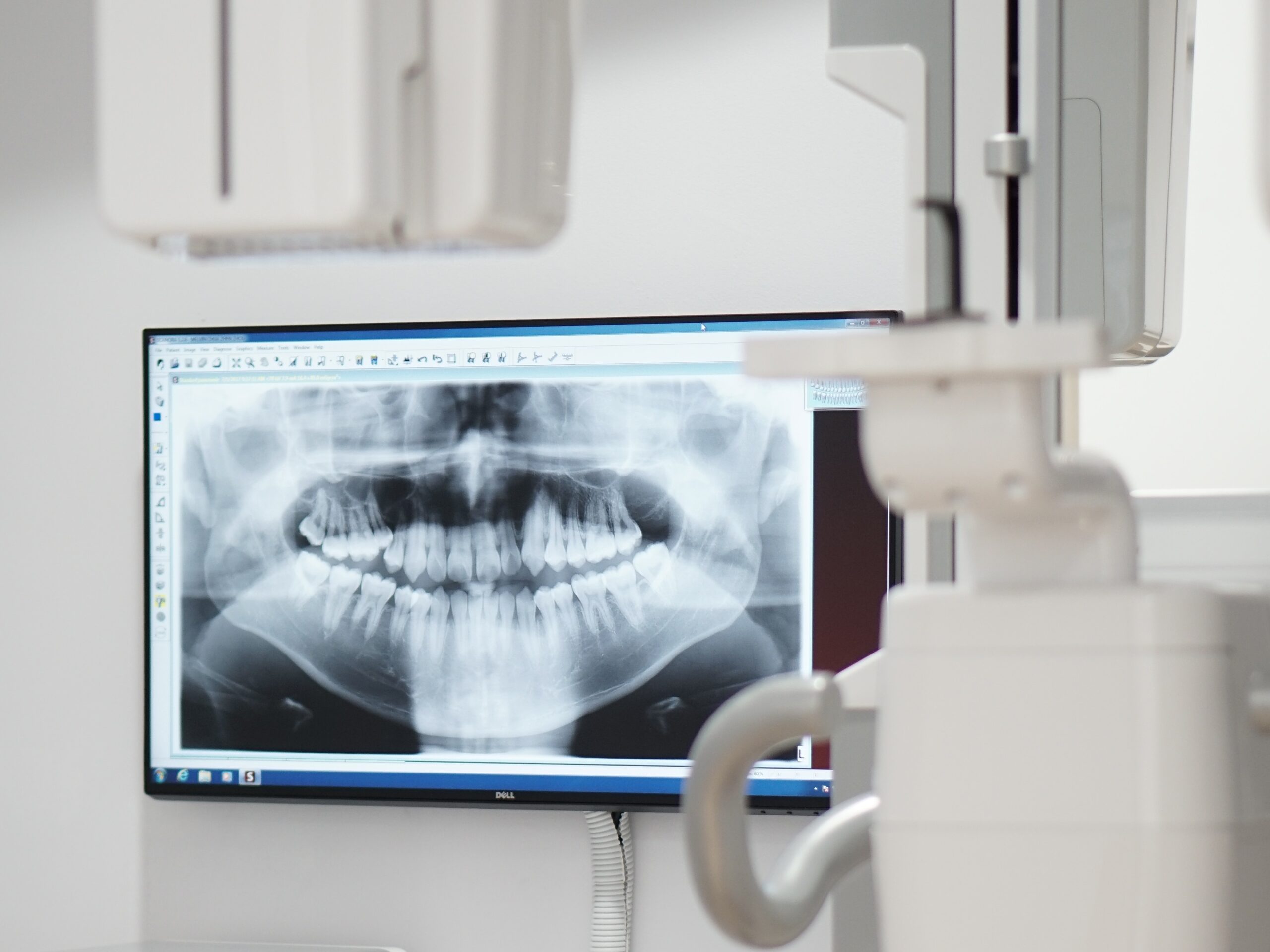
Dental X-rays at Ocean Dental use advanced digital imaging to detect hidden oral problems that regular exams miss. They help identify tooth decay, bone loss, impacted teeth, and jaw abnormalities early. These scans support timely diagnosis and effective treatment planning. Safety and clarity are prioritized using low-radiation digital machines with lead-apron protection.

Dental X-Ray Cost
Treatment
Cost (inclusive of 9% GST)
Intra-oral X-Ray (periapical / bitewing)
$27.25
Panoramic X-Ray (OPG)
$81.75
Lateral Cephalogram X-Ray
$81.75
Cone-Beam CT (CBCT) 3D Scan
$163.50
What’s Included

Digital Imaging
Clear digital X-ray images
Immediate capture with high resolution for accurate diagnostics.
Radiation Safety
Protective equipment such as lead apron and thyroid collar, and minimal radiation exposure with digital X-ray technology.
Fast Processing
Quick scan with immediate results
Images available instantly; treatment planning can begin immediately after scan.
Explanation and documentation
Clear explanation of findings to you, with X-ray records documented and kept for diagnosis, treatment planning, and future comparison.
Treatment Procedure
- Before the X-ray is taken, patients will be asked to remove any metal objects such as jewellery or glasses to avoid image distortion.
- A protective lead apron and thyroid shield will be provided to minimise radiation exposure.
- Our dental team will explain the procedure clearly and ensure the patient is comfortable.
- The patient will then be positioned correctly depending on the type of X-ray required.
- For intraoral X-rays (bitewing or periapical): A small film is placed inside the mouth to capture detailed images of individual teeth and supporting bone.
- For panoramic or lateral cephalogram: The patient’s head and jaws are positioned while the machine rotates to capture a full view of the jaws or facial structure.
- For CBCT: A cone-beam scanner captures high-resolution, three-dimensional images of the teeth, jawbone, sinuses, and nerve pathways.
- Patients will be asked to remain still during the scan. Supports such as bite blocks or head rests may be used to ensure accurate images.
- X-ray images are processed instantly and reviewed by the dentist to identify issues such as hidden tooth decay, gum bone loss, infections, impacted teeth, cysts, or jaw abnormalities.
- The dentist will explain the findings clearly and discuss any recommended treatments or preventive care. If needed, X-ray results help plan further treatments such as fillings, root canal therapy, extractions, implants, orthodontic treatment, or oral surgery.
- All images are securely stored in the patient’s digital records for future reference and long-term dental care planning.
Type of CHAS Card
Subsidy Amount
Pioneer Generation (PG)
$21
Merdeka Generation (MG)
$16
Blue CHAS Card
$11
Orange CHAS Card
$7.50
Green CHAS Card
Not available
Treatment Subsidies
CHAS subsidies apply to up to 6 dental X-rays per calendar year, subject to CHAS guidelines.


Why Dental X-Rays?

Early detection of hidden issues
Dental X-rays reveal cavities, bone loss, root problems otherwise invisible.

Accurate treatment planning
3D or panoramic imaging helps plan implants, braces, root canals, wisdom-tooth surgery precisely.

Prevent future complications
Detecting problems early reduces risk of severe pain, bone damage, or tooth loss later.

Patient Safety and Comfort at Every Visit
Low-radiation digital imaging with protective shielding ensures safe, quick, and painless procedure.
Why are dental X-rays needed?
Dental X-rays allow us to detect problems early, often before they cause pain or visible symptoms. Early detection means simpler treatment, better outcomes, and lower long-term costs.
Dental X-rays can help identify:
- Cavities between teeth
- Bone loss caused by gum disease
- Infections or abscesses near tooth roots
- Impacted or unerupted teeth, such as wisdom teeth
Unlike a routine visual examination, dental X-rays provide additional diagnostic information beneath the surface, helping detect hidden decay, infections, and jaw abnormalities that cannot be seen with the naked eye.
Skipping X-rays may mean missing an underlying issue that can worsen over time.
Timely imaging helps prevent unnecessary pain, complications, and future dental expenses.
Are Dental X-Rays Safe?
Yes. Dental X-rays are safe when taken responsibly and only when clinically necessary.
- Radiation exposure from dental X-rays is very low
- The amount of radiation is comparable to 1–3 days of natural background radiation, which we are exposed to in everyday life
- Protective measures such as lead aprons and thyroid collars are always used
For pregnant patients, dental X-rays are generally avoided unless they are required for urgent diagnosis or treatment.
When Should You Get a Dental X-Ray?
The frequency of dental X-rays depends on factors such as age, oral health condition, dental history, and risk level.
As a general guide for adults in Singapore:
- Every 12–24 months for routine dental check-ups
- More frequently if you:
- Have gum disease
Are undergoing orthodontic treatment - Are planning procedures such as extractions or implants
- Have gum disease
Your dentist will always assess whether an X-ray is necessary before recommending one.
How X-Rays Support Your Treatment Plan
Dental x-rays help us plan treatments more precisely.
Here’s how we use them in common procedures:
- Wisdom tooth removal → panoramic x-ray (OPG)
- Root canal treatment → periapical x-rays before, during, and after
- Dental implants → CBCT scan for detailed 3D imaging
- Orthodontic planning → panoramic x-ray (OPG) and lateral cephalometric x-ray
Dental X-rays can also help us assess bone density, which is crucial for diagnosing gum disease and planning treatments like dental implants.
That means fewer surprises — and better long-term outcomes.
Digital X-Rays
Our clinic uses film-based dental X-rays that are digitally developed, combining the reliability of traditional film with the convenience of digital imaging.
How It Works
- A traditional X-ray film is used to capture the image inside the mouth.
- The exposed film is then digitally processed and scanned, converting it into a clear digital image.
- The final image is displayed on a screen for the dentist to review and explain to the patient.
What This Means for you
- Clear diagnostic images
Digitally processed images allow dentists to zoom in and enhance contrast for better diagnosis. - Lower radiation than conventional film systems
Modern processing techniques reduce exposure compared to older film-only methods. - Faster results
Images are available shortly after exposure without long waiting times. - Digital storage & records
X-rays are stored electronically for easy comparison, referrals, and long-term dental records. - Environmentally conscious
Digital processing reduces chemical usage and physical storage needs.
Dental X-Rays During Pregnancy
When it comes to dental x-rays during pregnancy, safety is always the top priority.
In most cases, dental x-rays are postponed, especially during the first trimester, unless they are absolutely necessary for diagnosis or urgent treatment.
Leading health organizations, such as the American College of Radiology and the American Dental Association, recommend delaying routine dental x-rays until after pregnancy whenever possible.
If a dental x-ray is essential during pregnancy, your dentist will take every precaution to minimize radiation exposure.
This includes using a lead apron and thyroid shield to protect both you and your baby.
Furthermore, the x-ray beam for dental x-ray is focused on the mouth, and does not target the abdomen or uterus, making fetal exposure extremely minimal.
Our dentist will always weigh the benefits of dental x-rays—such as detecting infections or other problems—against any potential risks.
It’s important to let your dentist know about your pregnancy status before any x-ray procedure.
By working together, you can ensure that your oral health is managed safely throughout your pregnancy.
Good oral hygiene and regular check ups can help prevent issues that might require x rays, but if a dental x-ray is needed, rest assured that the lowest possible radiation dose and strict safety guidelines will be followed.
Why Choose Ocean Dental?

Safety-First Approach to Patient Care
We take dental X-rays only when clinically necessary and always follow strict radiation safety protocols to protect your health.

Reliable Imaging with Digital Processing
We use film-based X-rays with digital processing to produce clear, high-quality images for accurate diagnosis and treatment planning.

Experienced Clinical Interpretation
All X-rays are reviewed by our experienced dentists to detect issues early and explain them clearly to you.

Transparent Pricing & No Hidden Fees
All X-rays are reviewed by our experienced dentists to detect issues early and explain them clearly.
Types of Dental X-Rays We Offer
We provide both intraoral and extraoral x-rays depending on your needs.
Radiographs are essential diagnostic tools in dentistry, as they help detect cavities, assess roots, monitor tooth development, and plan treatments.
When taking dental X-rays, the process involves careful preparation and positioning to capture a clear x-ray image.
An x-ray machine is used to obtain detailed images of your teeth and jaw structures, which are crucial for accurate diagnosis and treatment planning.
It is important to follow the correct order and safety protocols when performing dental X-rays to ensure patient safety and compliance with professional standards.
Intraoral X-Rays
These are taken with the sensor inside your mouth.
- Bitewing X-Rays – Detect decay between teeth and assess bone levels related to gum disease.
- Periapical X-Rays – Show the full tooth, root, and surrounding bone.
- Occlusal X-Rays – Give a broad view of the upper or lower jaw. Often used in children’s exams, these X-rays help assess the presence of unerupted or impacted teeth.
Extraoral X-Rays
These are taken from outside your mouth.
- Panoramic X-Ray (OPG) – Captures your full upper and lower jaw. Useful for wisdom teeth, jaw joint issues, and braces planning.
- CBCT (Cone Beam CT, Cone Beam Computed Tomography) – An advanced 3D imaging technique for implant planning, oral surgery, and complex diagnoses. Cone beam computed tomography provides comprehensive, three-dimensional views of teeth and surrounding structures that standard X-rays cannot achieve.
- Lateral Cephalometric X-Ray – Provides a side view of the head and jaw, essential for orthodontic treatment planning by showing teeth alignment and positioning.
We use digital x-ray technology, which reduces radiation and provides faster, clearer results.
Preparation for Dental X-Rays
Getting ready for dental x-rays is simple and stress-free.
Most patients don’t need to do anything special before their appointment.
- When you arrive, the dentist will ask you to remove any jewelry, glasses, or metal objects that could interfere with the x-ray images.
- You’ll be given a lead apron to wear, which helps protect you from unnecessary radiation exposure during the procedure.
- The dentist will explain each step and make sure you’re comfortable.
- Sometimes, you may be asked to bite down on a small device or hold still for a few seconds to ensure the clearest images of your mouth.
The entire x-ray process usually takes just a few minutes, and you can return to your normal activities right after.
If you have any questions or concerns, don’t hesitate to ask the dentist before the x-ray begins.
Understanding what to expect can help you feel more at ease and confident during your dental x-ray appointment.

Schedule Appointment
- Complete the form with your basic details
- Select the dental service you need
- Pick a convenient date and time
- Choose how you’d like us to reach you
- Relax – we’ll get in touch within 24 hours to confirm your appointment!
Clinic Hours
Book an Appointment
Get personalized care from our expert team

FAQs
Got questions? Relax, we’ve got your back
Do I really need a dental x-ray?
If there are symptoms or risk factors that can’t be seen with the eye, then yes.
We’ll explain why it’s needed.
How much does it cost to take a dental X-ray?
The cost of dental X-rays vary depending on the type of X-ray taken.
Panoramic (OPG): $70
Intra-oral (periapical/ bitewing): $25
Lateral Cephalogram: $70
Cone-Beam Computed Tomography (CBCT): $150
Note: Government Goods and Services Tax (GST) applies
Are dental X-rays safe?
Dental X-rays are considered to be very safe due to its low radiation dosage which is comparable to just a few hours of natural background radiation in Singapore or less than a short flight.
Furthermore, we further minimize our patient’s radiation exposure by providing a lead apron or thyroid shield when taking the radiograph.
Thus, the amount of exposure is kept to minimal and is considered to be not harmful.
Can I request for a copy of the X-ray?
Definitely!
Since all our X-rays are digital, all you have to do is to request and provide us with your email address and our staff will send them over to you via email.
Alternatively, feel free to snap a photo using your phone’s camera.
Can I still take dental X-rays if I am pregnant?
Dental X-rays are usually avoided during pregnancy, but if the event of any dental emergency and taking of X-rays is necessary, the use of a lead apron and/or thyroid shield will offer protection against radiation exposure.
X-rays can be taken for breastfeeding mothers and women trying to get pregnant.
Is the procedure painful?
No. It’s quick and completely painless.
Is it safe for children?
Yes, with proper shielding and when clinically necessary.
Children benefit from early detection, too.